


Trending Now
 Singrauli News: जी-2 मॉल और जीएस प्लाजा पर निगम की मेहरबानी या कार्रवाई में ढिलाई? नोटिस के बाद भी न
 Singrauli News: इंदिरा गांधी की 109वीं जयंती पर कांग्रेसजनों ने दी श्रद्धांजलि, योगदान को किया याद
 Sidhi News: लोकायुक्त का छापा: 10 हजार रुपये की रिश्वत लेते तहसीलदार का रीडर गिरफ्तार
 Shaktinager News: एनटीपीसी ने ग्राम कोटा में ग्रामीणों को पढ़ाया सत्यनिष्ठा और पारदर्शिता का पाठ
 Singrauli News: सिंगल यूज पॉलीथिन के खिलाफ नगर निगम और प्रदूषण विभाग की संयुक्त कार्रवाई
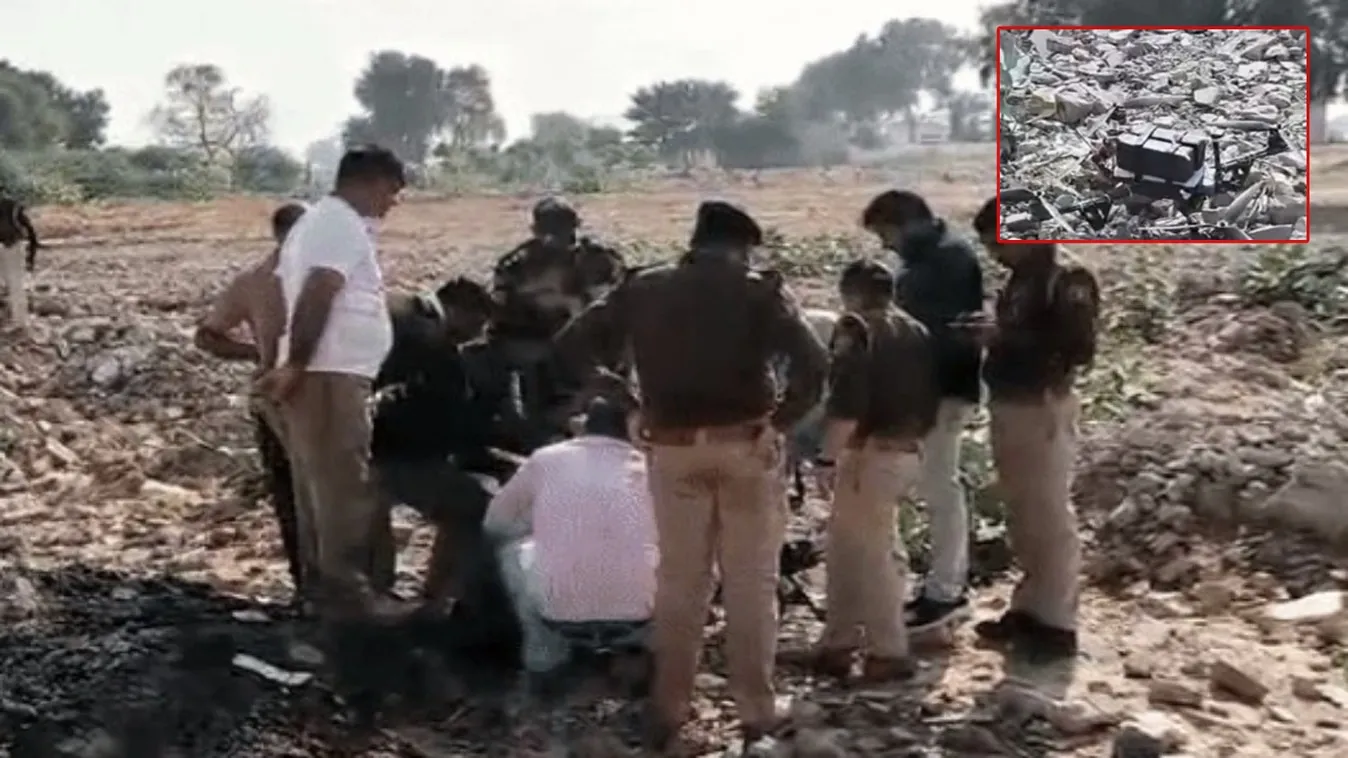 Sri Karanpur: भारत-पाक सीमा से 8 किलोमीटर अंदर रिहायशी इलाके में गिरा संदिग्ध ड्रोन, सुरक्षा एजेंसिय
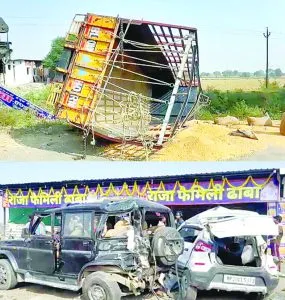 Jabalpur News: जबलपुर में बेकाबू ट्रक ने आग ताप रहे लोगों को कुचला, तीन की मौत; दो गंभीर
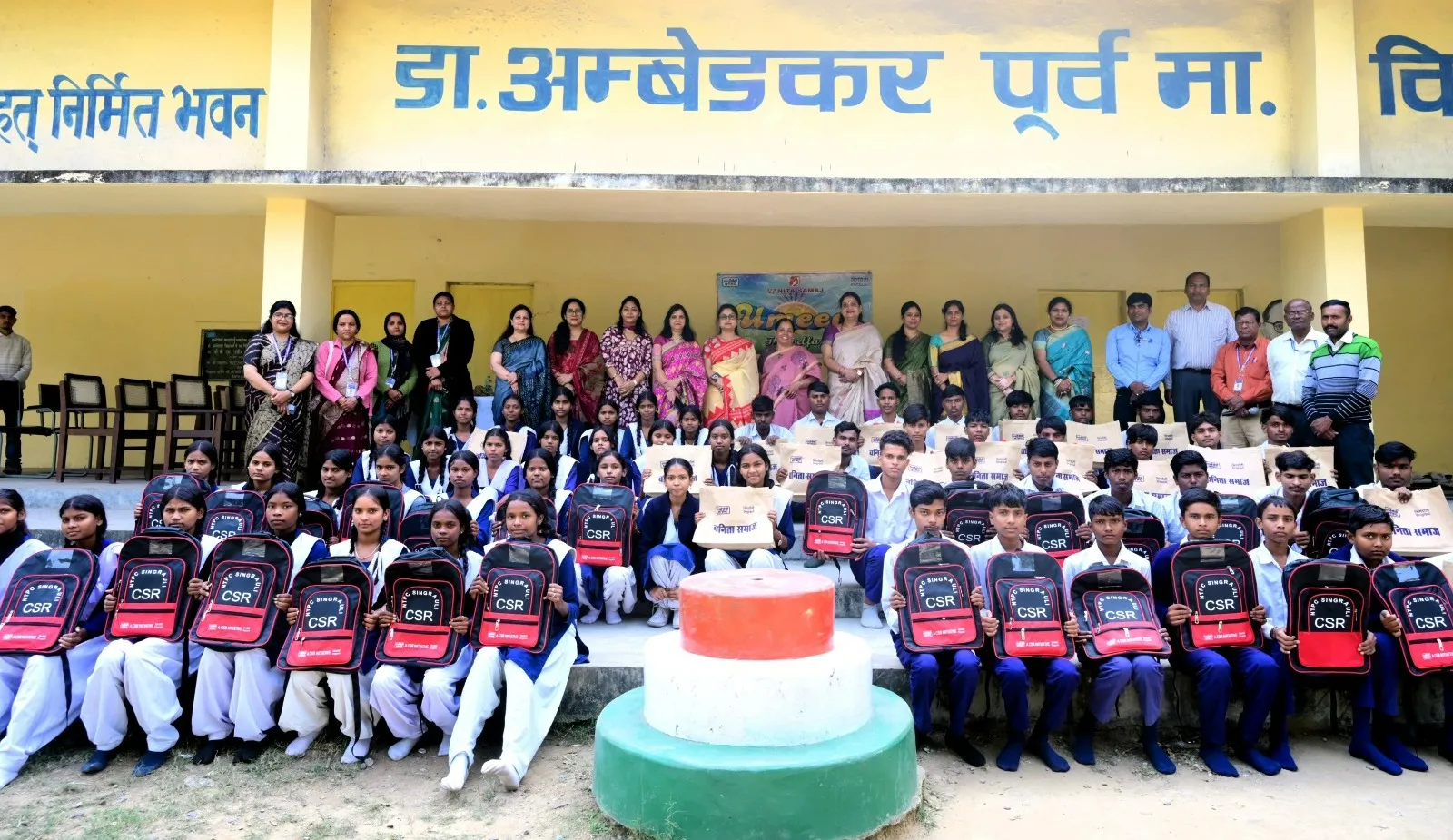 Singrauli News: एनटीपीसी के वनिता समाज ने विद्यार्थियों को बांटे स्कूल बैग और स्टेशनरी किट
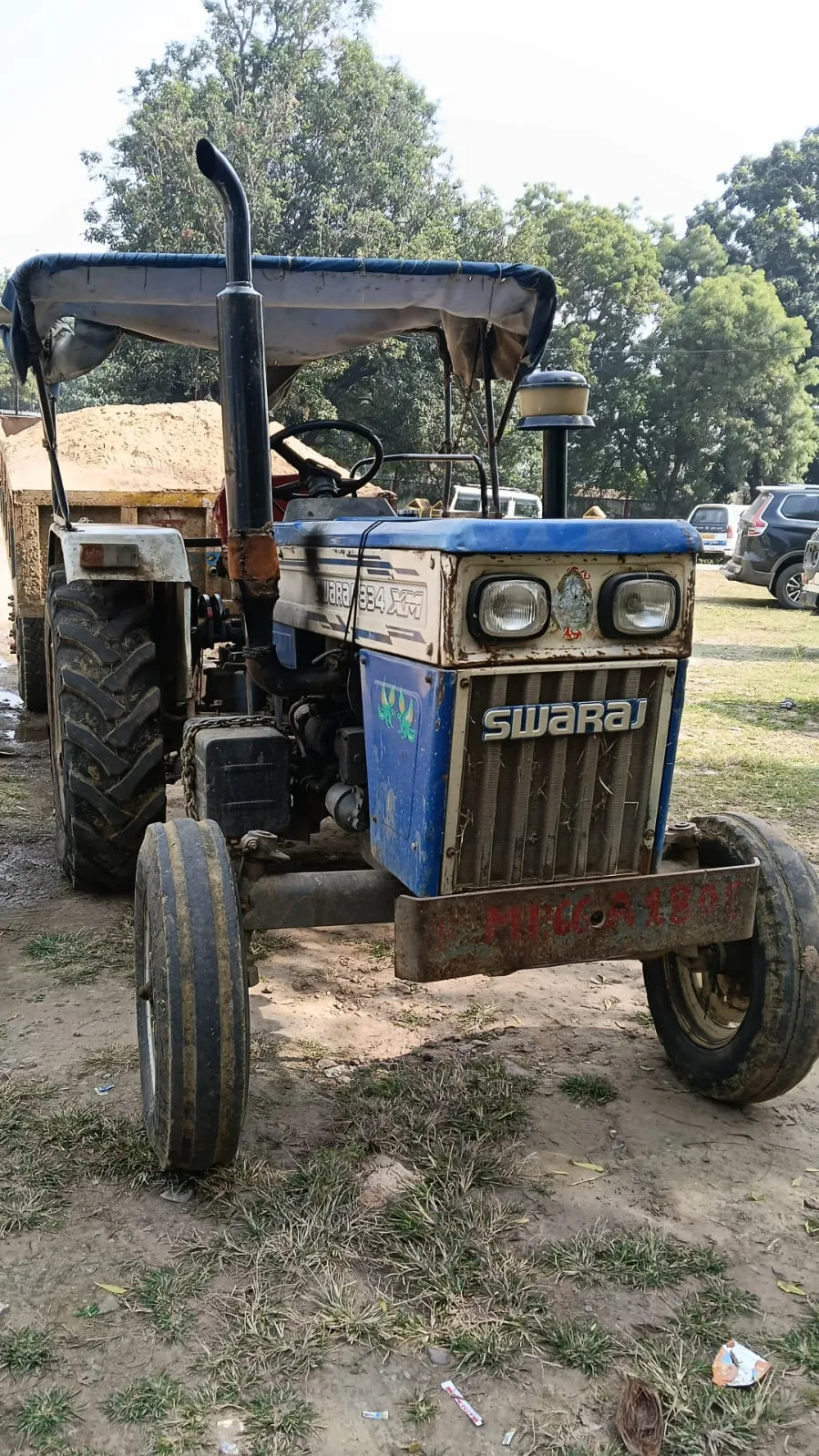 Singrauli News: आधी रात अवैध रेत परिवहन करते ट्रैक्टर जब्त, माड़ा तहसीलदार की कार्रवाई
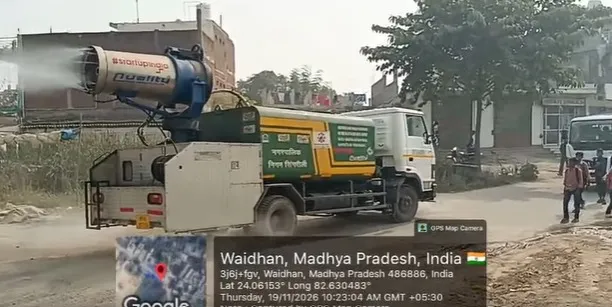 Singrauli News: बलियरी मार्ग पर धूल से परेशान लोगों को मिली राहत, महापौर के निर्देश पर हुआ पानी का छ
DONATE NOW

Axis Bank A/c - 920020057946521
Ifsc - UTIB0002017
PM Modi Urges Industry to Prioritise ‘India First’ in Long-Term Investments, Says 500 Million Lifted
Rama
Posted on: 2026-11-19 13:40:00
Viewer: 391
Comments: 0
Country: India
City: New Delhi
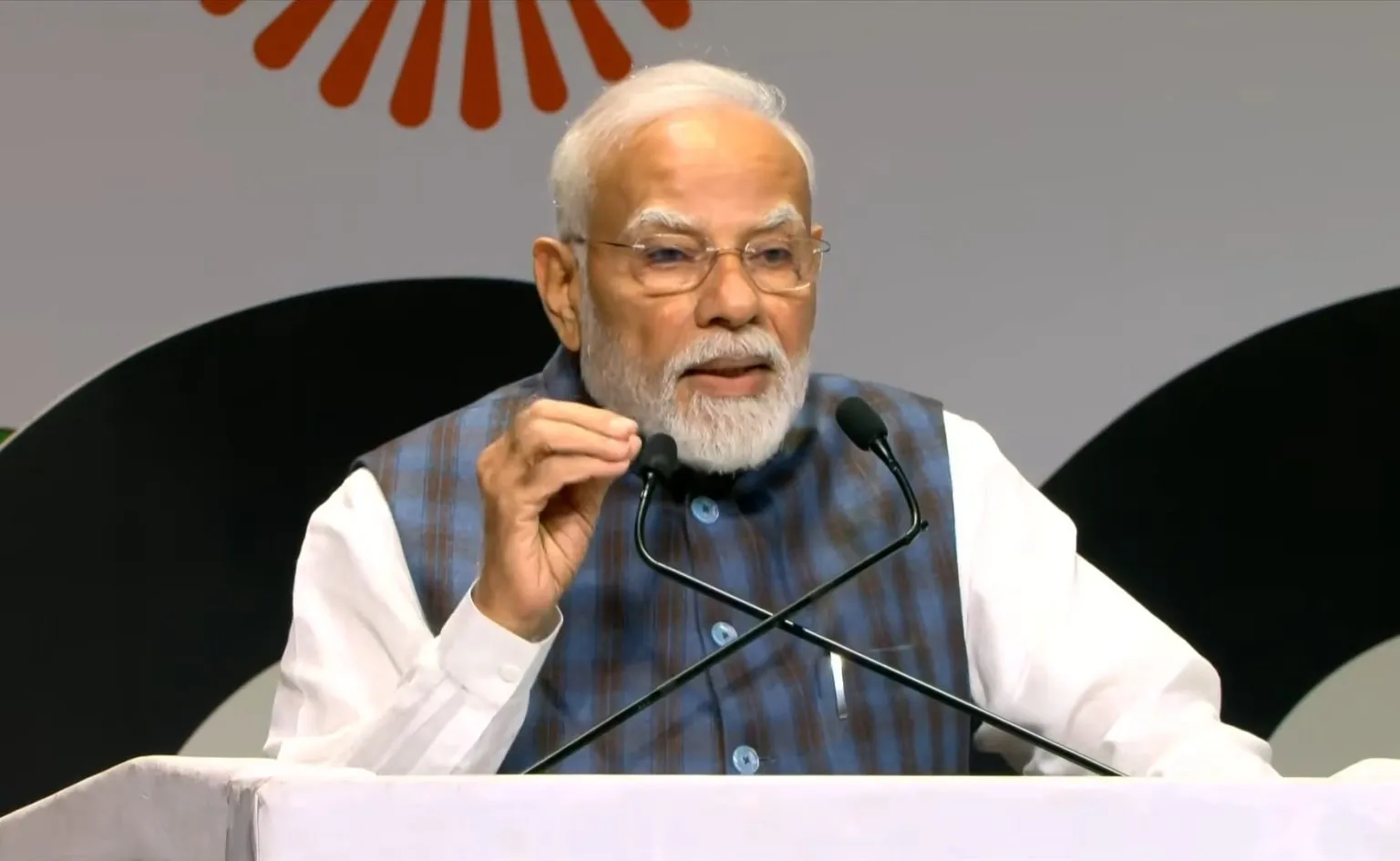 PM Modi Urges Industry to Prioritise ‘India First’ in Long-Term Investments, Says 500 Million Lifted Out of Poverty
Prime Minister Narendra Modi on Thursday inaugurated the Annual General Meeting and Annual Convention of the Federation of Indian Chambers of Commerce and Industry (FICCI) at Bharat Mandapam in New Delhi, as the industry body marked its centenary year.
Addressing the gathering, PM Modi described the occasion as special, noting that FICCI had remained active, adapted to changing times and contributed to India’s economic journey over the past 100 years.
Reviewing the country’s economic progress, the Prime Minister said the efforts of citizens, youth, farmers, workers and industry over the past 12 years had helped accelerate growth and reduce poverty.
“Today in India, the pace of progress is also the fastest, and the speed of coming out of poverty is also unprecedented,” he said.
Referring to the latest World Bank report, PM Modi said around 500 Million Indians had moved out of poverty in 12 to 13 years, describing the achievement as a matter of national pride.
“This report is going to fill all of us with pride,” he said.
He said the reduction in poverty reflected the impact of the policies pursued during the period and expressed confidence in India’s development trajectory.
“It shows that the path on which India is walking today is right, accurate, and has the guarantee of the country’s success in it,” the Prime Minister said.
Highlighting India’s economic performance, PM Modi said the country remained the world’s fastest-growing major economy, with growth projected at around 7 per cent by major institutions. He also cited October’s goods exports of nearly USD 50 billion, the highest monthly figure on record.
“Moody’s Ratings, S&P Global Ratings, Fitch Ratings, the World Bank, and the Asian Development Bank are revising our growth upward,” he said.
Quoting the Sanskrit verse ‘Uddharet Atmana Atmanam, Na Atmanam Avsadayet’, the Prime Minister stressed the importance of self-improvement through regular introspection. He urged industry leaders to look beyond established sectors and short-term gains and prepare for emerging opportunities and challenges, particularly amid the growing weaponisation of resources.
Calling on FICCI to plan for the next two decades, PM Modi said long-term investment decisions should be guided by national interests.
“In every long-term investment decision of yours for the next 20 years, make India First your foundation,” he said, adding that such an approach would strengthen self-reliance and create new opportunities for businesses.
The Prime Minister urged the pharmaceutical industry to reduce India’s dependence on imports of active pharmaceutical ingredients (APIs), bulk drugs and drug intermediates. He noted that while India had established a strong position in finished medicines, it continued to import billions of dollars’ worth of pharmaceutical ingredients across hundreds of categories.
“In finished medicines, we have a strength, and now we will have to build our capability in ingredients as well,” he said, calling for greater investment in domestic manufacturing, advanced technology and large-scale production facilities.
Highlighting gaps in the iron, steel and aluminium sectors, PM Modi said India exported iron ore worth thousands of crores of rupees and had substantial bauxite reserves, but continued to import finished steel, specialised aluminium alloys and other products.
He urged industry to identify imported grades, develop the required manufacturing technologies and strengthen capabilities across the mineral value chain.
“We will have to develop the manufacturing capacity for these products in the country as well,” he said.
The Prime Minister also highlighted the potential to expand India’s agricultural and processed food exports. He said the country’s share in global agricultural exports remained at around 2 to 2.5 per cent, while the share of processed food in agri-food exports had increased from 13 per cent to more than 20 per cent over the past 12 years.
Calling for a coordinated strategy aligned with international market demand, Modi urged industry to increase investment in agriculture, establish reliable procurement systems and develop products for overseas markets.
“Together we will have to change this situation and view it as a big opportunity for value addition and the food processing industry,” he said.
Pointing to opportunities in engineering goods, the Prime Minister said India’s share in global exports of hand tools and power tools remained limited. He also called for greater focus on machinery manufacturing for developing countries and the Global South.
PM Modi encouraged large companies to support smaller enterprises in scaling up quality manufacturing and exploring opportunities in packaging equipment, irrigation systems and factory machinery.
“We can work on this sector to increase our presence in the global market,” he said.
Emphasising the importance of recognising the contribution of farmers, small entrepreneurs, industry, wealth creators and taxpayers, the Prime Minister outlined several government reforms aimed at supporting businesses and boosting demand.
These included reducing the basic corporate tax rate from 30 per cent in 2014 to 22 per cent, exempting annual income up to Rs 12 lakh from income tax, simplifying tax returns and refunds, and lowering GST rates on several goods.
“Its direct benefit is going to our industry and business houses,” he said.
PM Modi also urged businesses to make use of India’s recent free trade agreements and the opportunities emerging from the government’s reform agenda. He said industry should look beyond the domestic market and invest in understanding overseas consumer requirements, meeting international standards and building distribution networks.
The Prime Minister said the domestic market should not become a comfort zone for Indian businesses but should provide them with the confidence to compete globally.
“Our domestic market should not be our comfort zone, as it must give us the confidence to compete in global markets,” he said.
He assured industry leaders that the government remained open to their suggestions and concluded his address by extending his best wishes to the participants.
Also Read

Rama
Rama Technologies
Leave Your Comment!
Recent Comments!
No comments found...! Singrauli Mirror AppInstall