

Trending Now
 Singrauli News: टीएचआर वितरण में लापरवाही पर कलेक्टर सख्त, शत-प्रतिशत वितरण के साथ रोजाना मांगी रिपो
 Singrauli News: एनटीपीसी विंध्याचल की वॉकथॉन में दिखा उत्साह, 300 से अधिक प्रतिभागियों ने दिया गुणवत
 Singrauli News: हरिहर तालाब के रिनोवेशन कार्य को तीन माह में गुणवत्ता के साथ पूर्ण करने के आयुक्त ने
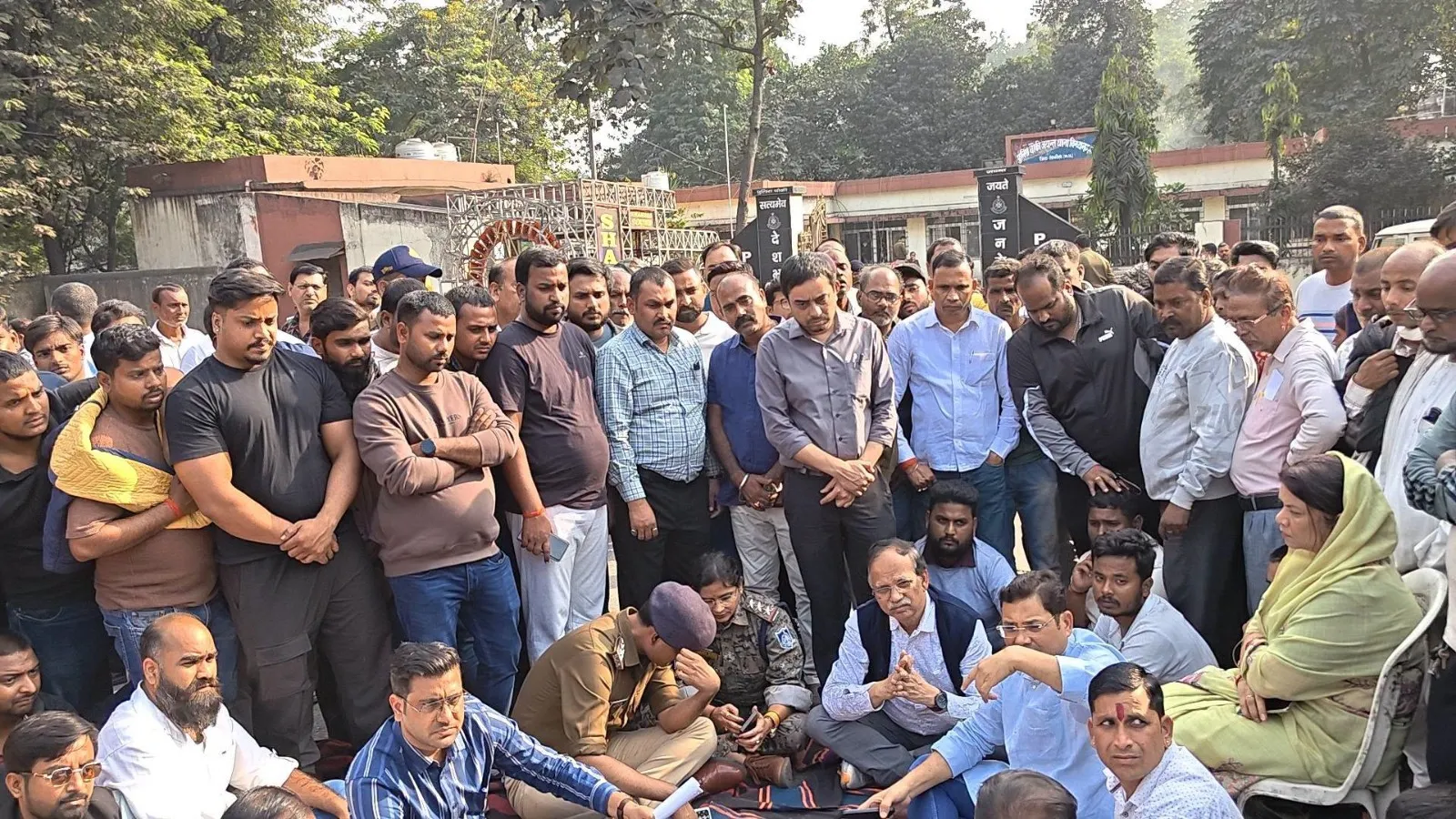 Singrauli News: हत्या, अवैध वसूली और राजनीतिक संरक्षण के आरोपों से घिरी ऊर्जाधानी? भूपेंद्र हत्याकां
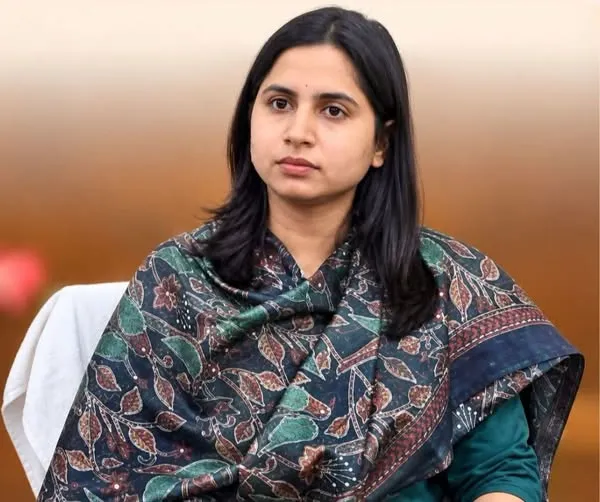 Singrauli News: सहायक कलेक्टर सौम्या मिश्रा को मिली देवसर तहसीलदार की जिम्मेदारी
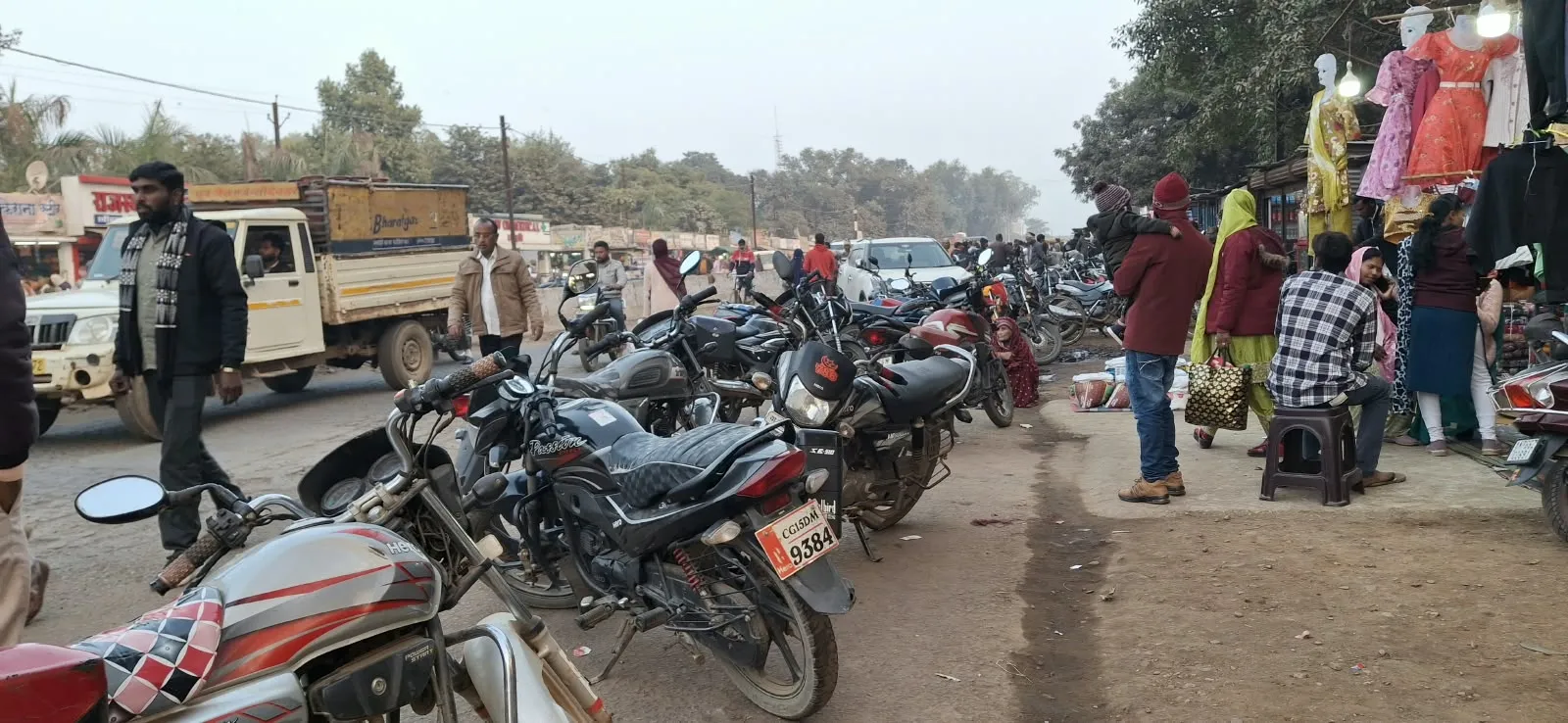 Singrauli News: देवसर में बस और टेम्पो स्टैंड बनाने की उठी मांग, युवाओं ने एसडीएम को सौंपा ज्ञापन
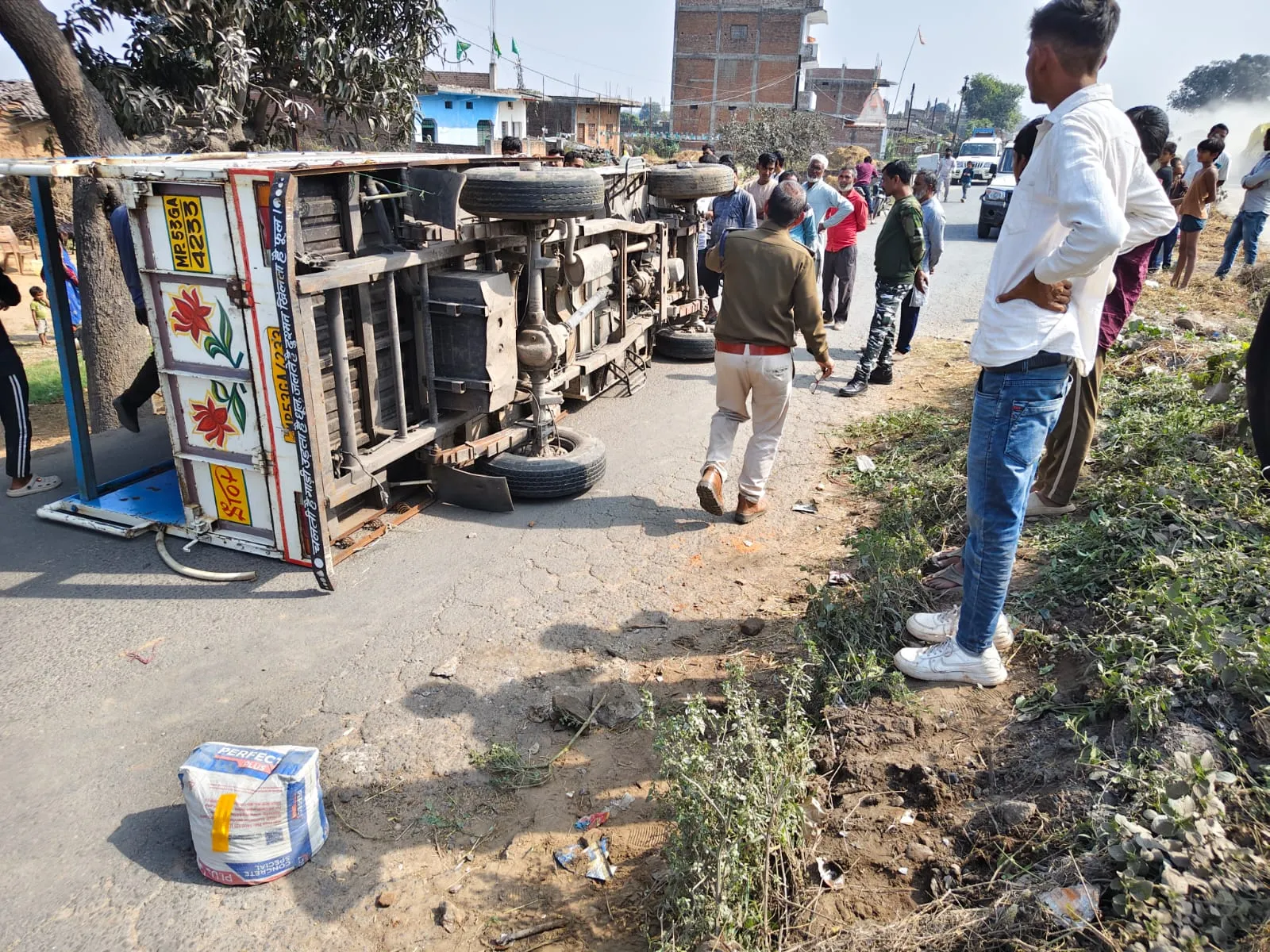 Singrauli News: NH-39 पर बड़ा हादसा टला, अल्टो कार को बचाने के
 BHU Non-Teaching Recruitment 2026: बनारस हिंदू यूनिवर्सिटी में नॉन-टीचिंग के पदों पर रजिस्ट्रेशन स्ट
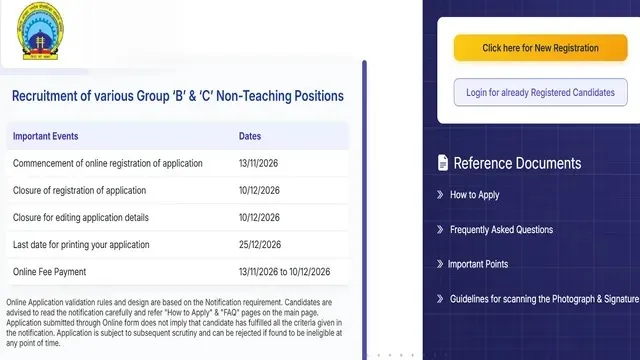 इस सरकारी संस्थान में नॉन-टीचिंग पदों पर हो रही भर्ती, जल्द करें अप्लाई
 RSSB Junior Engineer Recruitment 2026: राजस्थान में जूनियर
DONATE NOW

Axis Bank A/c - 920020057946521
Ifsc - UTIB0002017
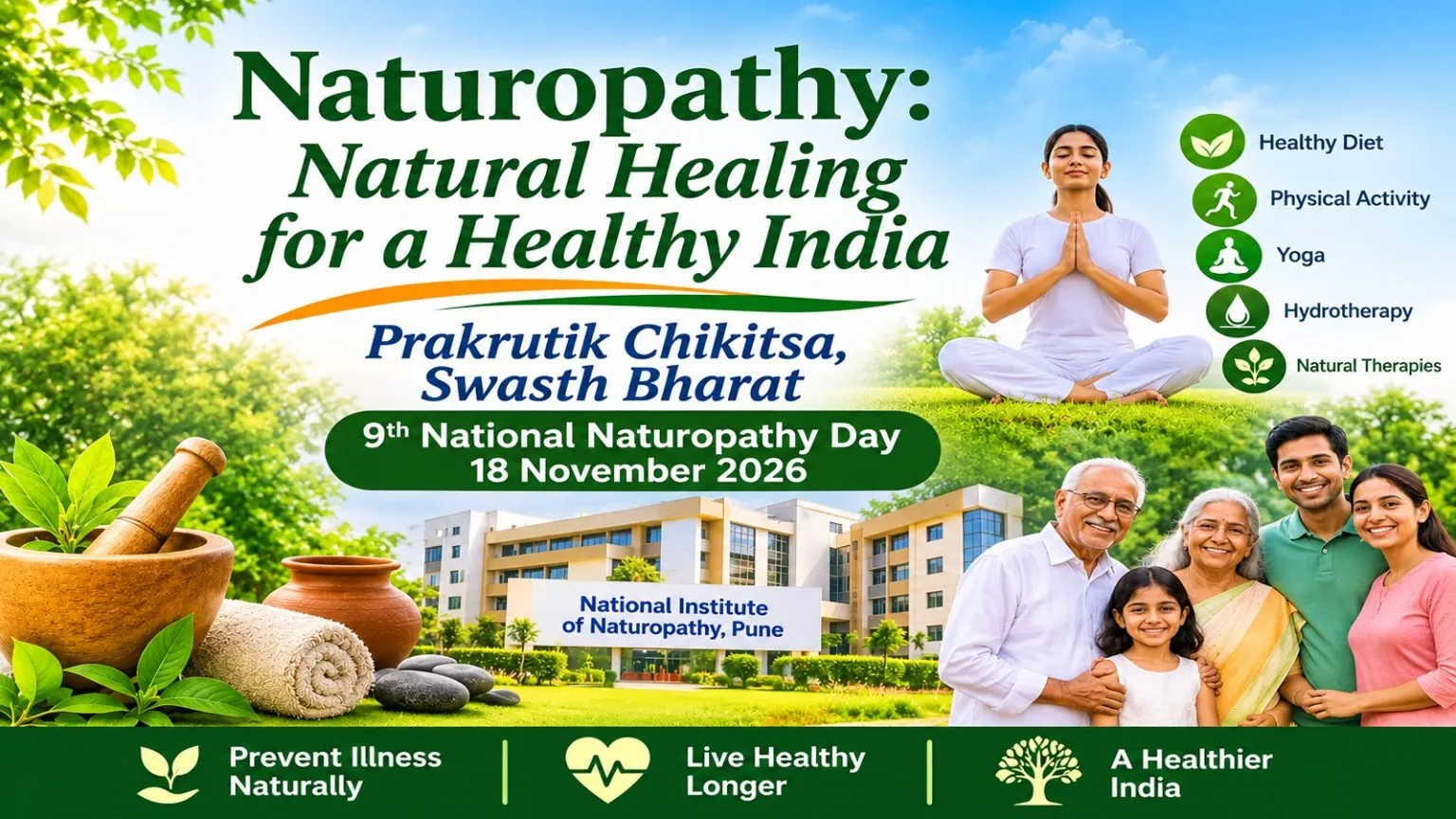
Naturopathy: Natural healing for a healthy India
Rama
Posted on: 2026-11-18 11:59:00
Viewer: 124
Comments: 0
Country: India
City: New Delhi
 Naturopathy: Natural healing for a healthy India
Naturopathy is a drug-free system of healthcare that seeks to support the body’s natural ability to heal itself. It uses diet, fasting, water, mud, massage and other natural therapies, while encouraging healthy lifestyle practices and harmony with the environment. In India, naturopathy is increasingly being developed through dedicated hospitals, academic programmes, research institutions and community-level initiatives.
The country will observe the 9th National Naturopathy Day on 18 November 2026 at the Central Research Institute of Yoga and Naturopathy (CRIYN), Nagamangala, Karnataka. The theme, ‘Prakrutik Chikitsa, Swasth Bharat’, highlights the role of natural healthcare, preventive practices and healthy living in building a healthier nation.
Understanding Naturopathy: Healing with Nature
Naturopathy is based on the principle that the human body has an inherent capacity to heal itself. Rather than relying primarily on medicines, it uses natural resources and lifestyle changes to support health and recovery.
Its approach draws on the five elements of nature—earth, water, air, fire and ether—and emphasises a return to simple, healthy living. This includes balanced eating, adequate rest, physical activity and a lifestyle that promotes harmony with oneself, society and the environment.
Naturopathy is both a system of natural treatment and a way of life. It aims to promote health, prevent illness, support recovery and encourage people to take greater responsibility for their well-being.
Natural Therapies and Their Applications
Naturopathic treatment uses a range of natural methods, including fasting, dietary regulation, hydrotherapy, mud packs, cold packs, baths and massage. Some institutions also provide magnetotherapy, chromotherapy and physiotherapy.
At the National Institute of Naturopathy’s Nisarg Gram campus in Pune, these therapies are supported by facilities such as a yoga hall and a Saatvik diet centre.
Naturopathy has been explored in the management of chronic, allergic, autoimmune, degenerative and stress-related conditions. Its emphasis on nutrition, physical activity and lifestyle modification has gained relevance amid growing attention to obesity, stress, lifestyle-related disorders and healthy ageing. A balanced diet, regular exercise, adequate rest and stress management can also contribute to preventive healthcare across different age groups.
Naturopathy and Yoga: Complementary Systems
In India, naturopathy is closely associated with yoga. Indian naturopathy incorporates yoga and traditional concepts such as the Panchabhuta-based understanding of health and disease, which relates well-being to the five elements of nature.
Together, yoga and naturopathy combine natural therapies with practices aimed at improving physical and mental well-being. Both are recognised under the Ayush framework, alongside Ayurveda, Unani, Siddha, Sowa Rigpa and Homoeopathy.
At the National Conference on Naturopathy 2026, the Ministry of Ayush reiterated that yoga and naturopathy complement each other. The institutional framework supporting this combination includes a degree programme in Naturopathy and Yogic Sciences, a dedicated research council, central registration of practitioners and national-level treatment facilities.
National Naturopathy Day: Remembering Mahatma Gandhi’s Contribution
National Naturopathy Day is observed every year on 18 November to mark Mahatma Gandhi’s association with nature cure. On this date in 1945, Gandhi became the Lifetime Chairman of the All India Nature Cure Foundation Trust in Pune and signed its deed.
The Ministry of Ayush declared 18 November as National Naturopathy Day in 2018.
Gandhi is regarded as a pioneering figure in the development of naturopathy in India. In 1946, he led a nature cure campaign at Uruli Kanchan, near Pune, promoting sanitation, appropriate diet and exercise as important elements of good health.
In an article published in Harijan on 26 May 1946, Gandhi wrote, “I hold that where the rules of personal, domestic and public sanitation are strictly observed and due care is taken in the matter of diet and exercise, there should be no occasion for illness or disease.”
His emphasis on preventive health, personal discipline and a close relationship with nature continues to inform the philosophy behind the observance.
National Institute of Naturopathy: Building the Institutional Foundation
The National Institute of Naturopathy (NIN), Pune, was established on 22 December 1986 at a nature cure centre that had been handed over to the Government of India on 17 March 1975. Its premises, known as Bapu Bhavan, commemorate Mahatma Gandhi.
NIN is an autonomous body under the Ministry of Ayush, with its Governing Body headed by the Union Minister of Ayush. Its responsibilities include promoting and standardising knowledge in naturopathy and yoga, encouraging quality education and training, supporting research into human health and establishing a living memorial to Gandhi.
The institute also provides specialised outpatient services. Its Maternal Care OPD focuses on health before and after childbirth, while the Diabetes OPD promotes dietary management, yoga and lifestyle changes. The Mind-Body Medicine OPD uses yoga, meditation and relaxation practices to address stress and anxiety.
Nisarg Gram: India’s First National Naturopathy Hospital
A major step in expanding naturopathy infrastructure came on 25 February 2024, when Prime Minister Narendra Modi inaugurated Nisarg Gram, the new campus of NIN in Pune.
Spread over 25 acres at Yewalewadi and developed at a cost of ₹213.55 crore, the campus houses a 250-bedded naturopathy hospital, a research and extension services centre, and a Naturopathy Medical College offering undergraduate, postgraduate and paramedical courses.
The hospital is India’s first national naturopathy hospital. It is intended to provide care for lifestyle-related metabolic disorders through natural therapies and integrated wellness practices.
For the academic session 2026–27, the college is offering 100 seats in the Bachelor of Naturopathy and Yogic Sciences (BNYS) programme. The campus also has facilities for hydrotherapy, magnetotherapy, chromotherapy, massage and physiotherapy, along with a yoga hall and a Saatvik diet centre.
Also Read

Rama
Rama Technologies
Leave Your Comment!
Recent Comments!
No comments found...! Singrauli Mirror AppInstall