


Trending Now
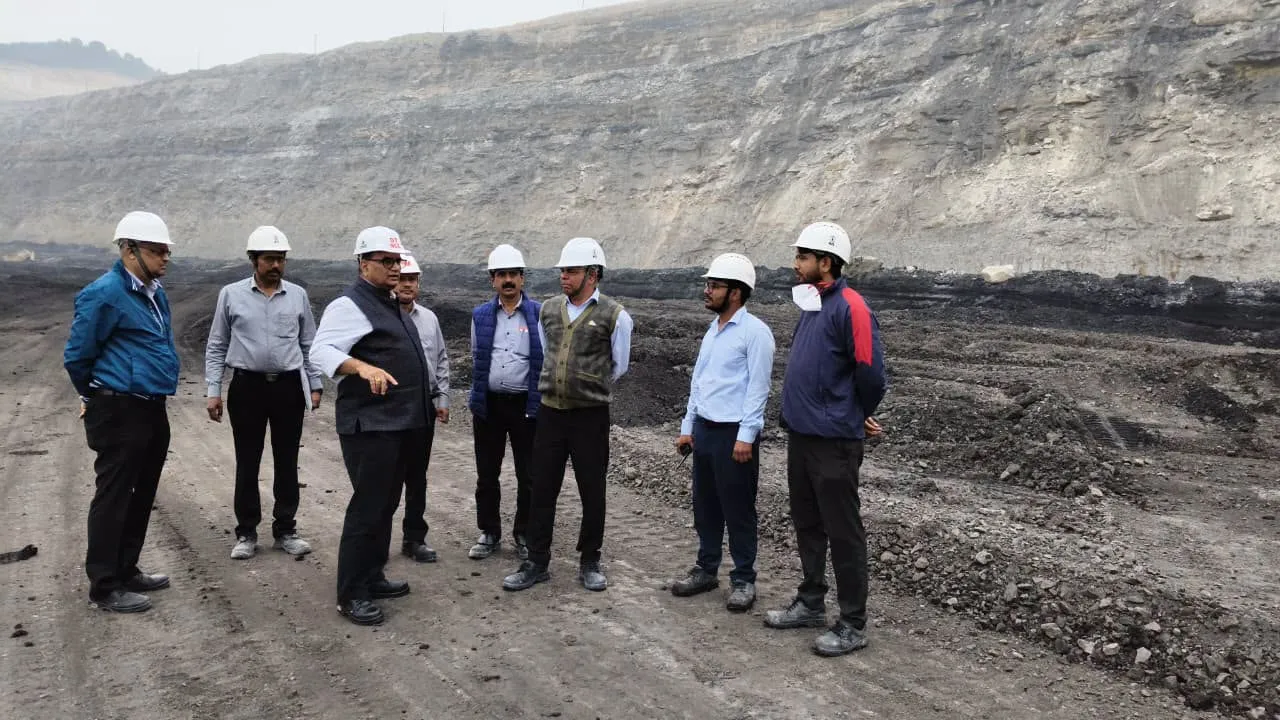 Singrauli News: एनसीएल के निदेशक तकनीकी ने बीना परियोजना का
 Singrauli News: अजय हत्याकांड में किशोर की दोषसिद्धि निरस्त, हाईकोर्ट ने सभी आरोपों से किया बरी
 Singrauli News: लालबाबू बैस बने भाजयुमो के सिंगरौली जिलाध्यक्ष, लंबे इंतजार के बाद हुई नियुक्ति
 Singrauli News: ठंड के बढ़ते असर के बीच सिंगरौली में स्कूलों के समय में बदलाव, सुबह 9 बजे से पहले नह
 UPPSC Civil Judge Bharti 2026: उत्तर प्रदेश में सिविल जज के पदों पर रजिस्ट्रेशन आज से शुरू
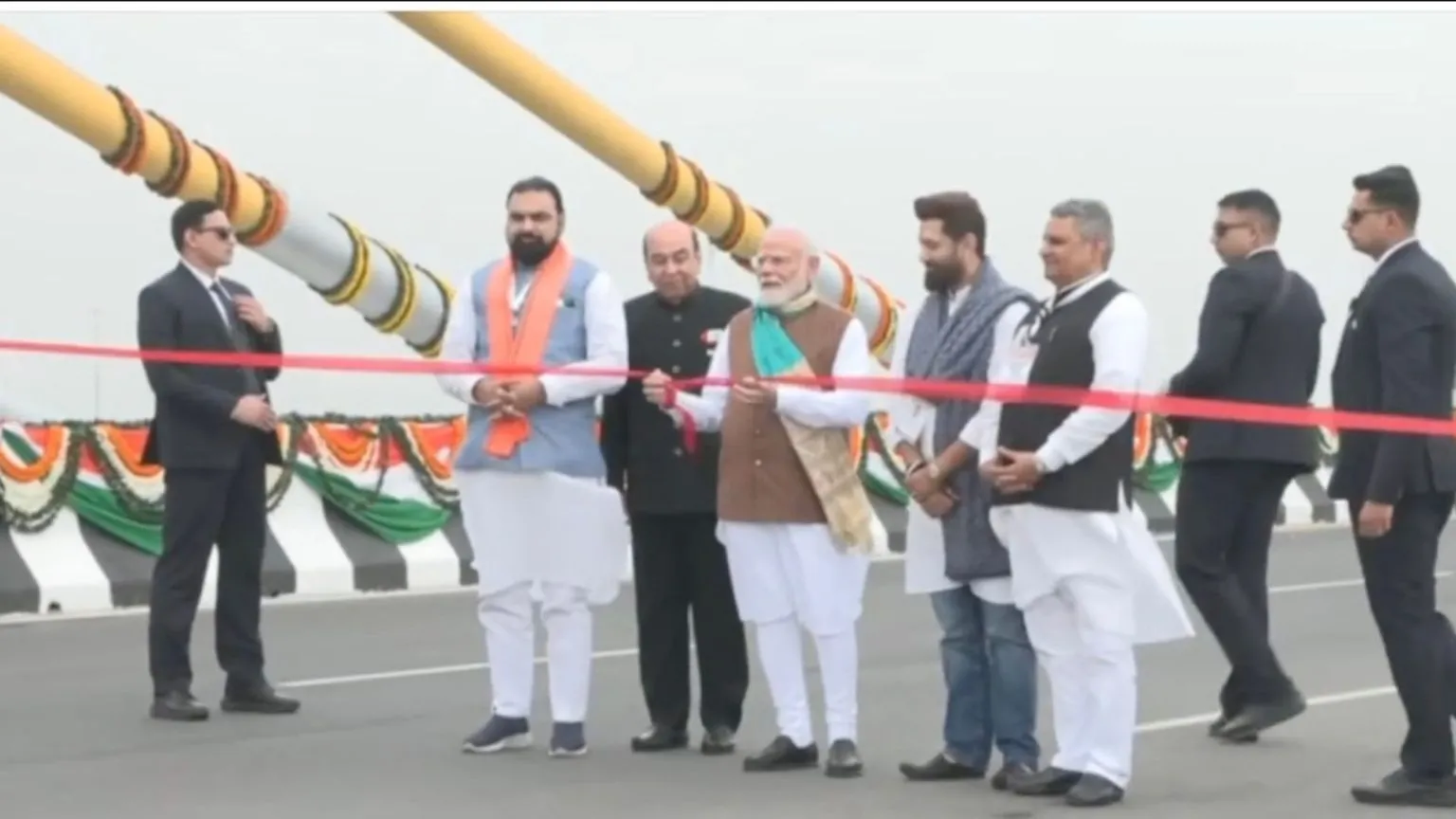 PM inaugurates bridge named after Nitish Kumar in Bihar”s Vaishali
 57th IFFI showcases 12 Goan films, bringing Konkani and Marathi stories to global audiences
 Indian Navy receives indigenously built diving support craft DSC A21 in Mumbai
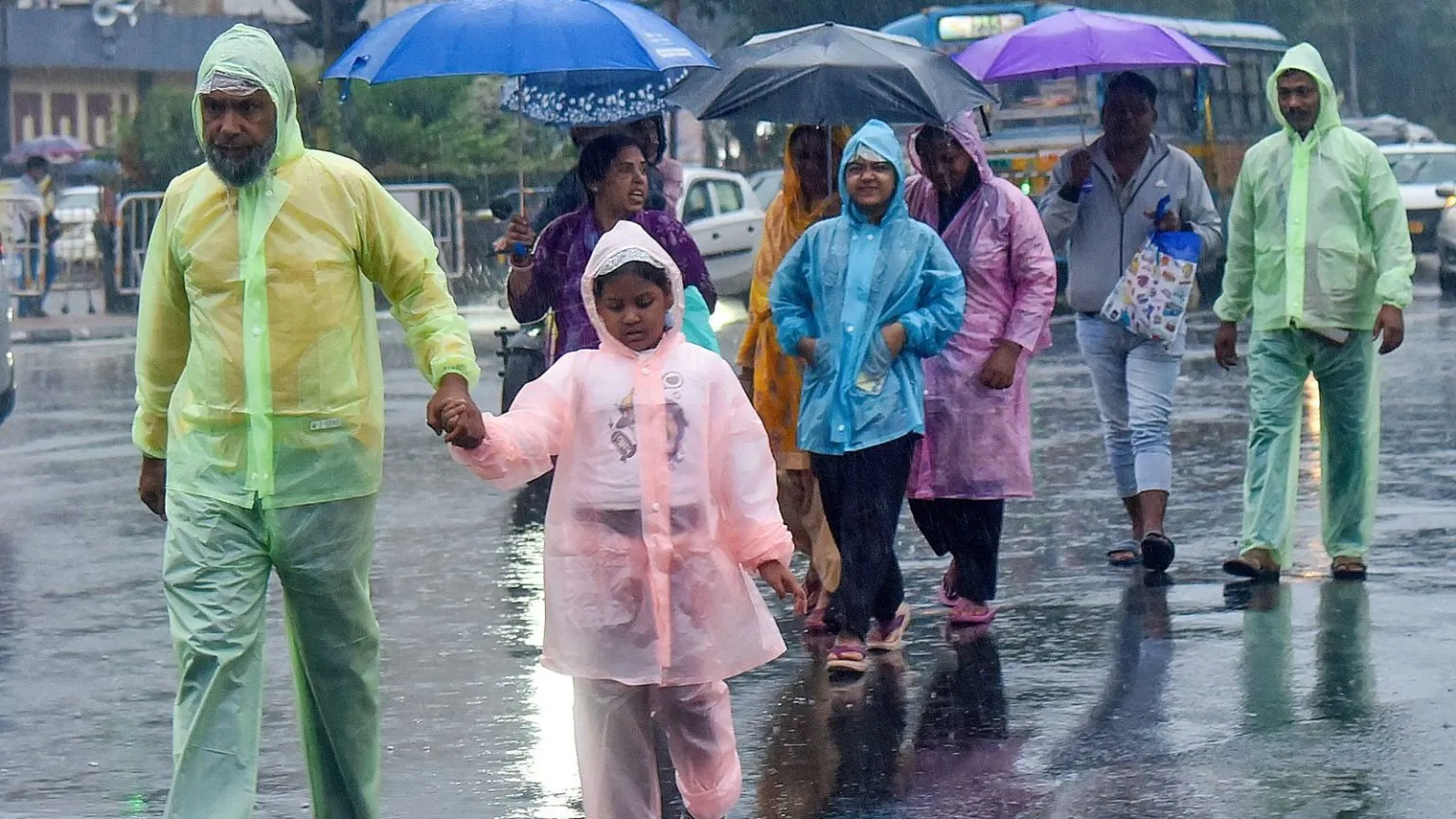 Remnants of Cyclone Akvan to bring rain in Bengal on Saturday: IMD
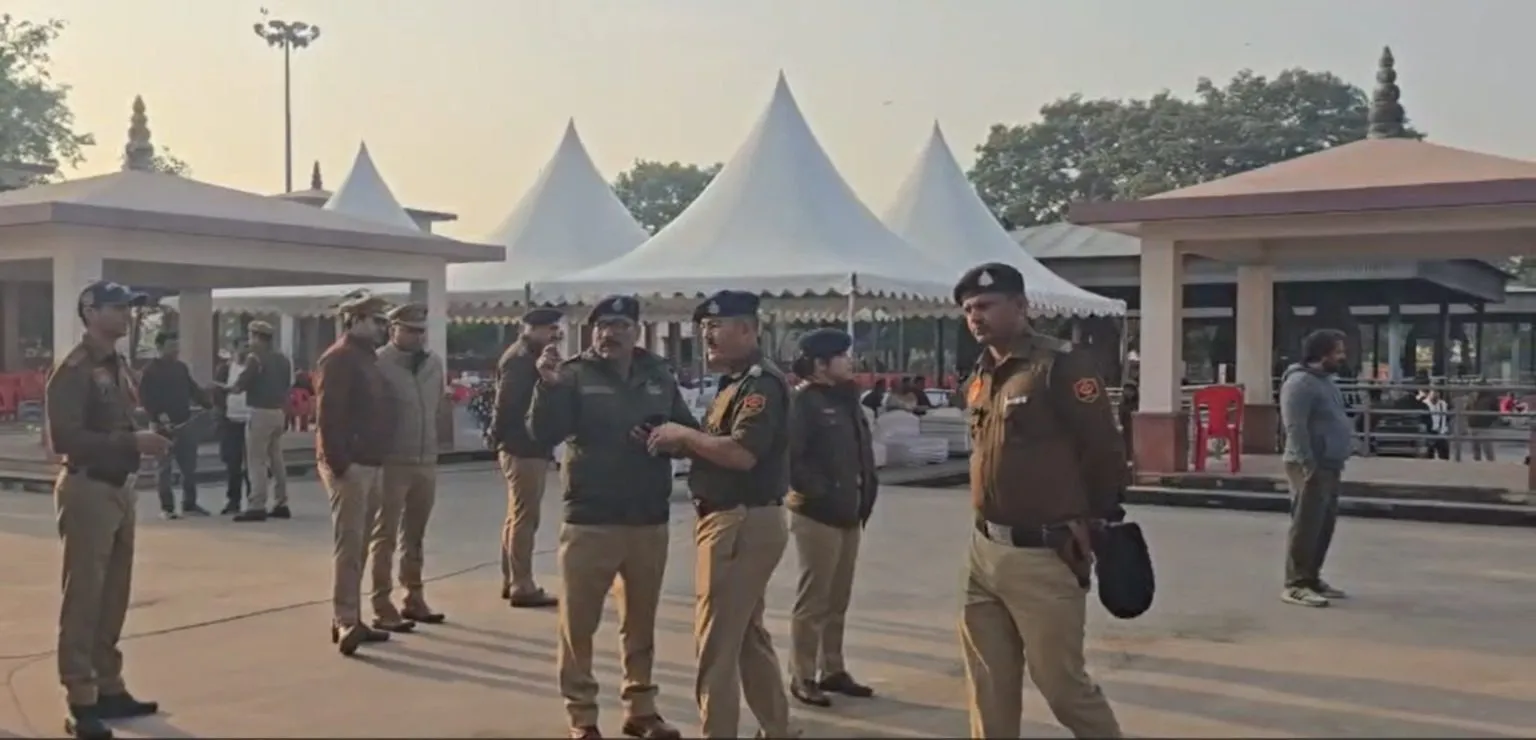 Security tightened at Haridwar’s Chandi Ghat ahead of last rites of CM Yogi’s mother
DONATE NOW

Axis Bank A/c - 920020057946521
Ifsc - UTIB0002017
57th IFFI showcases 12 Goan films, bringing Konkani and Marathi stories to global audiences
Rama
Posted on: 2026-11-21 11:31:00
Viewer: 90
Comments: 0
Country: India
City: Chimbel
57th IFFI showcases 12 Goan films, bringing Konkani and Marathi stories to global audiences
Twelve films in Konkani and Marathi will bring the stories, people and cultural experiences of Goa to an international audience at the 57th International Film Festival of India (IFFI), offering a cinematic exploration of the state’s social realities, traditions and everyday lives.
The specially curated Goan film package, scheduled to be screened at INOX Panjim from November 21 to 28, 2026, features a mix of feature films and short films. The selection explores themes such as identity, family relationships, personal struggles, childhood, loneliness and self-discovery, presenting narratives that are rooted in local experiences but carry universal emotional appeal.
From an elderly woman confronting her conscience and a forgotten local hero revisiting his past to a daughter seeking reconciliation with her family and an old villager defending his ancestral home, the films cover a wide range of human experiences. The collection also includes comedies and dramas that examine changing social relationships and the complexities of everyday life.
Stories of identity, family and personal discovery
Among the Konkani films, Manguirish J. Bandodkar’s 30-minute Ancessao follows an elderly woman living alone in a quiet Goan village. She fills the silence of her life by talking about others but eventually realises that her gossip is a way of avoiding her own unresolved grief. Prompted by her conscience, she resolves to change her behaviour, although the transformation proves short-lived.
Vardhan Vijaykumar Kamat’s Umesh, a 99-minute Konkani film, explores identity, trust and the consequences of a forgotten legacy. It follows a once-celebrated local hero who now lives in isolation in a rural village, surviving on odd jobs and carrying the burden of an unresolved past. His circumstances change when aspiring filmmakers Anton and Rohan arrive to document his life. Their investigation into local rumours and half-truths gradually reveals his forgotten talent and the painful reasons behind his withdrawal from society. As a relationship of trust develops, Umesh becomes increasingly uncomfortable with the camera.
Family ties, tradition and reconciliation form the core of Prasad M. Naik’s 11-minute film Shakuntala. The story follows a woman who becomes estranged from her conservative family after marrying a Christian man from her neighbourhood. Years later, after her father’s death, she is denied the opportunity to attend his funeral. As the twelfth-day death ritual approaches, she gathers the courage to return to her childhood home, confronting long-buried conflicts and social judgment in an effort to reclaim her place as a daughter.
Shravan Kankonkar’s 25-minute Purnata takes a different approach to the continuity of life through the journey of Zayo, a garland of jasmine flowers. As the garland passes through different hands, it brings comfort, hope and happiness during moments of joy and sorrow. Even as the flowers wither, they continue to touch lives, reflecting on how purpose and life carry forward even when one journey comes to an end.
Relationships, memories and the challenges of growing up
Suvidha Torgal Bakhle’s 16-minute Konkani film Noise examines human behaviour and recurring patterns in relationships. Its central character, Tara, struggles to move away from a troubled relationship but repeatedly finds herself drawn towards familiar patterns despite her efforts to heal. The recurring presence of an old fan serves as a metaphor for these cycles and the difficulty of changing behaviour even when the need for change is recognised.
In the Marathi film Daryaa, directed by Kishor Arjun, a 25-minute narrative explores the experience of discovering the world through imagination and senses beyond sight. The story follows Aakash, a visually impaired boy with cerebral palsy who has never seen the sea and knows it only through stories, sounds and imagination. When his grandfather takes him on an unexpected journey to the coast, Aakash encounters the place he has long dreamed of visiting. The film reflects on the meaning of seeing and the ways people experience the world.
Sankalp Sainath Parab’s 14-minute Konkani film Perfect Shot follows Vasudha, a young film school student whose pursuit of the perfect cinematic frame becomes an obsession with the Golden Ratio, symmetry and the rule of thirds. At the same time, she struggles with unresolved feelings towards her late father, believing he left her with nothing of value. As memories resurface, her pursuit of visual perfection turns into a journey of personal discovery, revealing how relationships shape creativity and the way people see the world.
Anurag Verdekar’s 19-minute Cheers! captures the curiosity and uncertainty of growing up through the story of two young boys bored with their routine. They board a random bus and embark on an aimless journey into the unfamiliar world of adults. Their adventure takes them to an old fort, across a river ferry and eventually to a secluded waterfall, where they impulsively decide to buy their first alcoholic drink. Their unsuccessful attempt to conceal their age exposes their vulnerability and makes them realise that the adult world is more complicated than they had imagined.
Ancestral homes, social realities and everyday struggles
Krisha Raul’s 24-minute Konkani film Bapo Kale is set in the village of Mauxi and centres on an elderly man who refuses to leave his ancestral mud house when an emergency evacuation drill reaches his doorstep. What begins as a routine exercise brings back memories of displacement, lost homes and a changing village. As Bapo and his wife Bhagi confront the authorities through a tense night, their home emerges as a symbol of identity, dignity, memory and attachment to the land.
A different kind of family predicament drives Akhil Lotlikar’s 22-minute Konkani film Woodworm (Roto). It follows a determined clinic receptionist caught in a chaotic family situation as she tries to help her sister win a school competition. While balancing family responsibilities with her sister’s aspirations, she finds herself facing an unforeseen danger.
Also Read

Rama
Rama Technologies
Leave Your Comment!
Recent Comments!
No comments found...! Singrauli Mirror AppInstall