

Trending Now
 Govt to launch fifth edition of Nayi Chetna gender campaign on
 BRICS Film Festival Roundtable Explores Opportunities in Co-
 First SCO Civilisational Dialogue Forum Concludes in New Delhi,
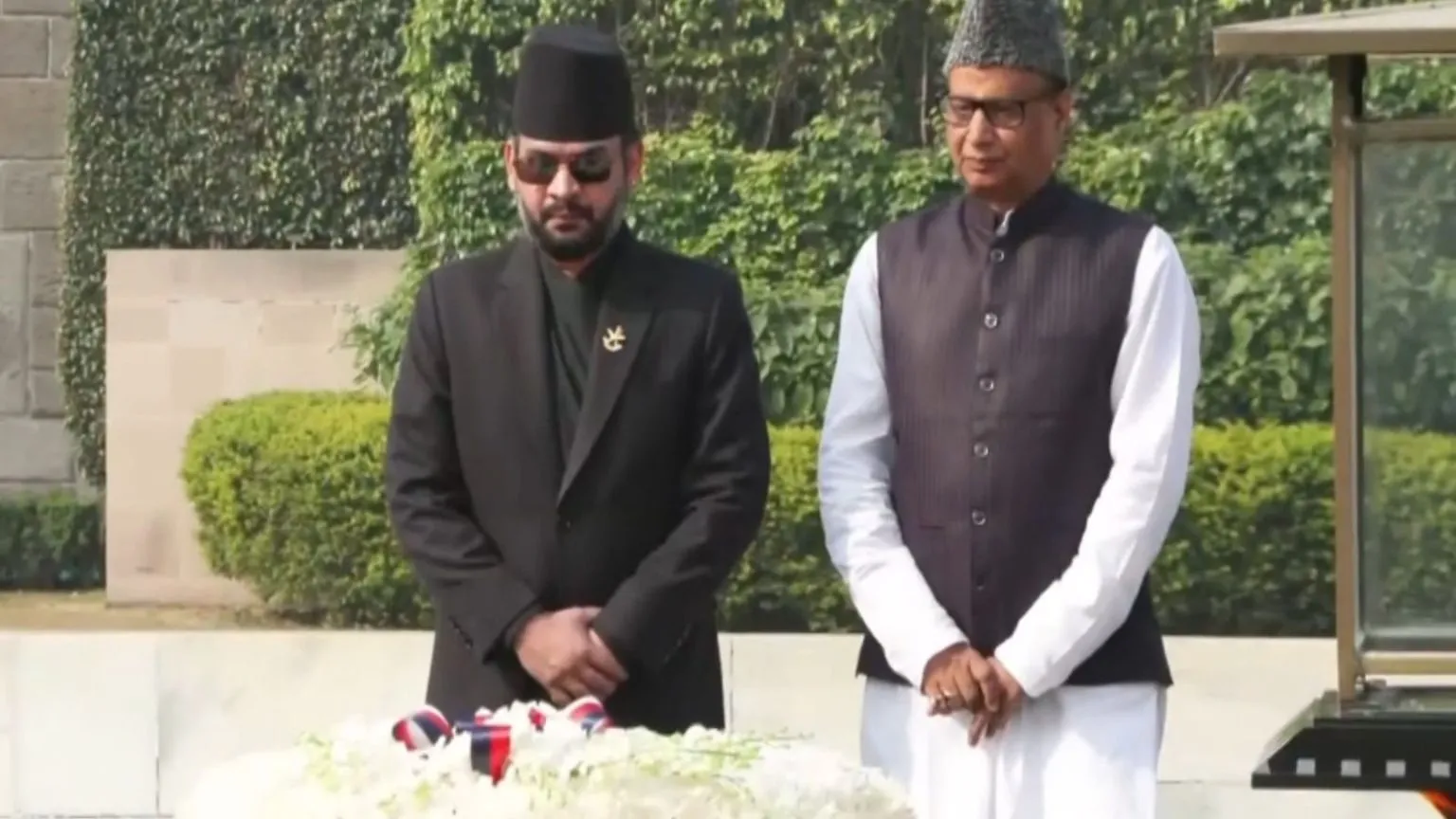 Nepal PM Balen Shah pays tribute to Mahatma Gandhi at Raj
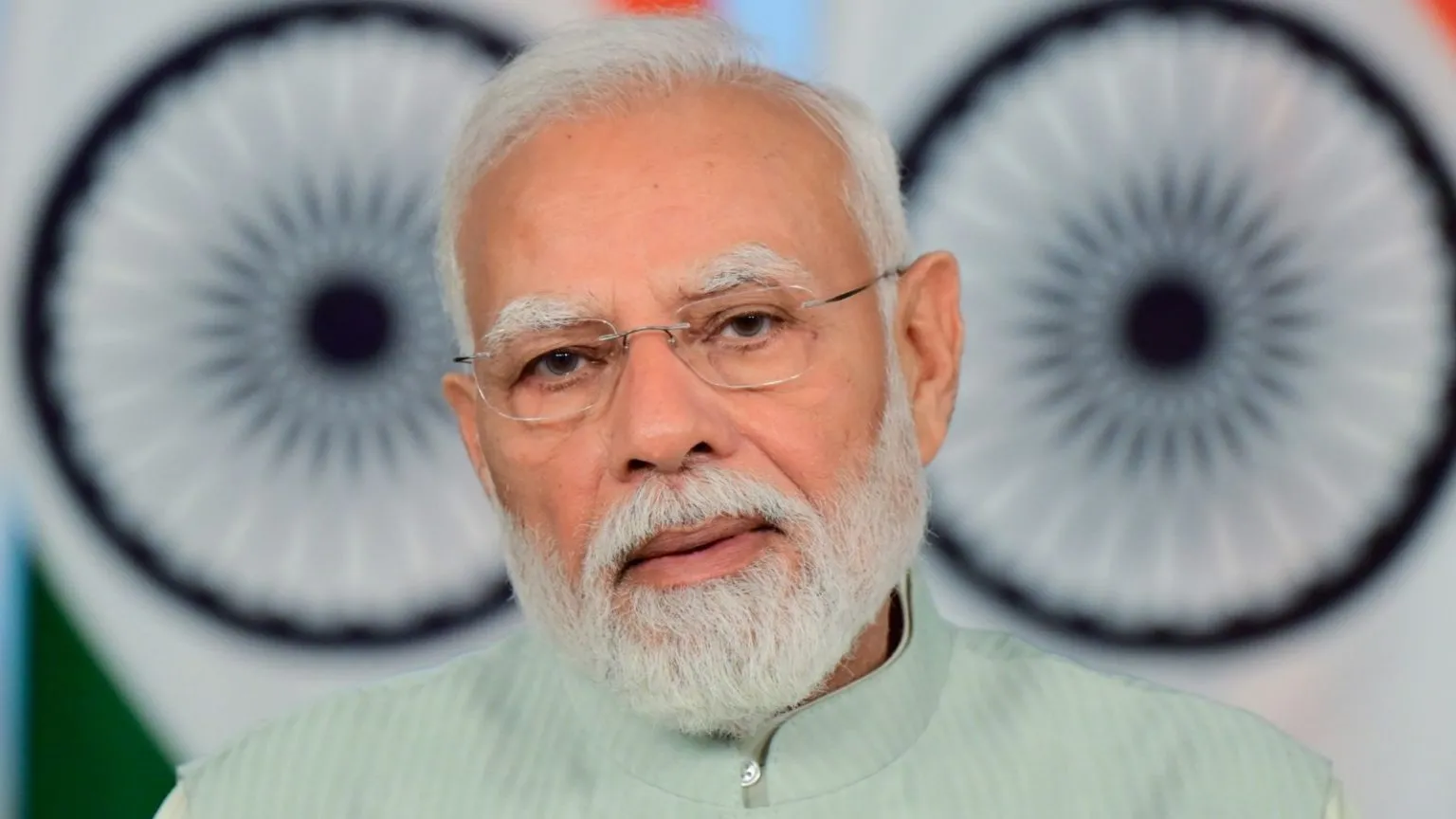 President Murmu, PM Modi condole deaths in Tiruchirappalli road accident; ex-gratia announced
 ICAR में टेक्निकल असिस्टेंट पदों पर सरकारी नौकरी पाने का सुनहरा मौका
 UP TGT Online Form: यूपी टीजीटी भर्ती आवेदन पत्र भरने की लास्ट डेट एक्सटेंड है
 रेलवे में 4651 पदों पर 11 दिसंबर तक आवेदन का मौका
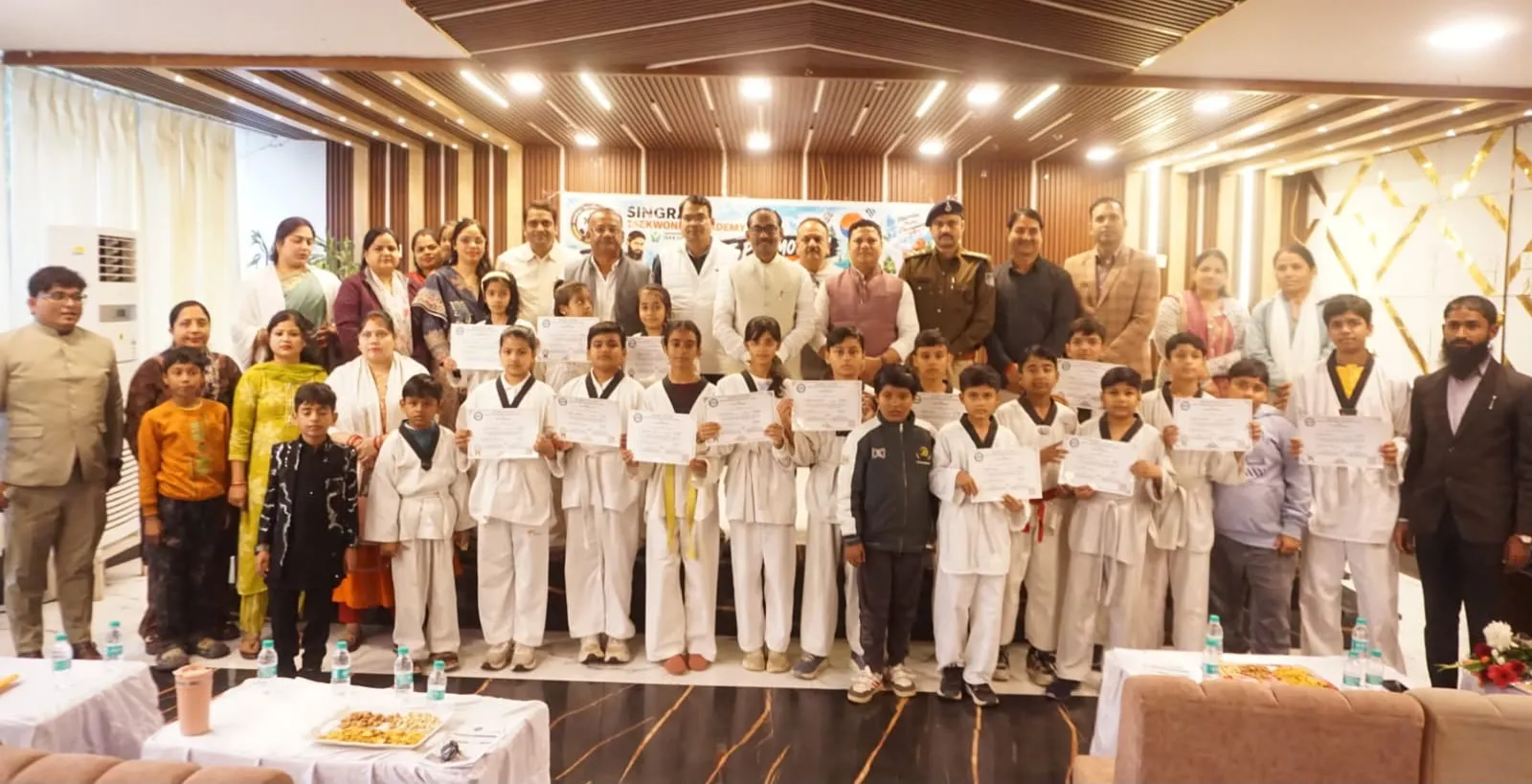 Singrauli News: बेमौसम बारिश ने किसानों की बढ़ाई चिंता, खेतों में खड़ी धान की फसल पर संकट
 Singrauli News: मॉक ड्रिल को बम मिलने की घटना बताकर फैलाया भ्रम, सिंगरौली पुलिस ने दी कार्रवाई की चे
DONATE NOW

Axis Bank A/c - 920020057946521
Ifsc - UTIB0002017
First SCO Civilisational Dialogue Forum Concludes in New Delhi,
Rama
Posted on: 2026-11-23 16:30:00
Viewer: 11
Comments: 0
Country: India
City: New Delhi
First SCO Civilisational Dialogue Forum Concludes in New Delhi,
Focuses on Strengthening Cultural Ties Among Member Nations
The first Shanghai Cooperation Organisation (SCO) Civilisational Dialogue Forum concluded in New Delhi on Sunday, with participating countries reaffirming their shared civilisational heritage and exploring avenues to strengthen cultural cooperation across the region.
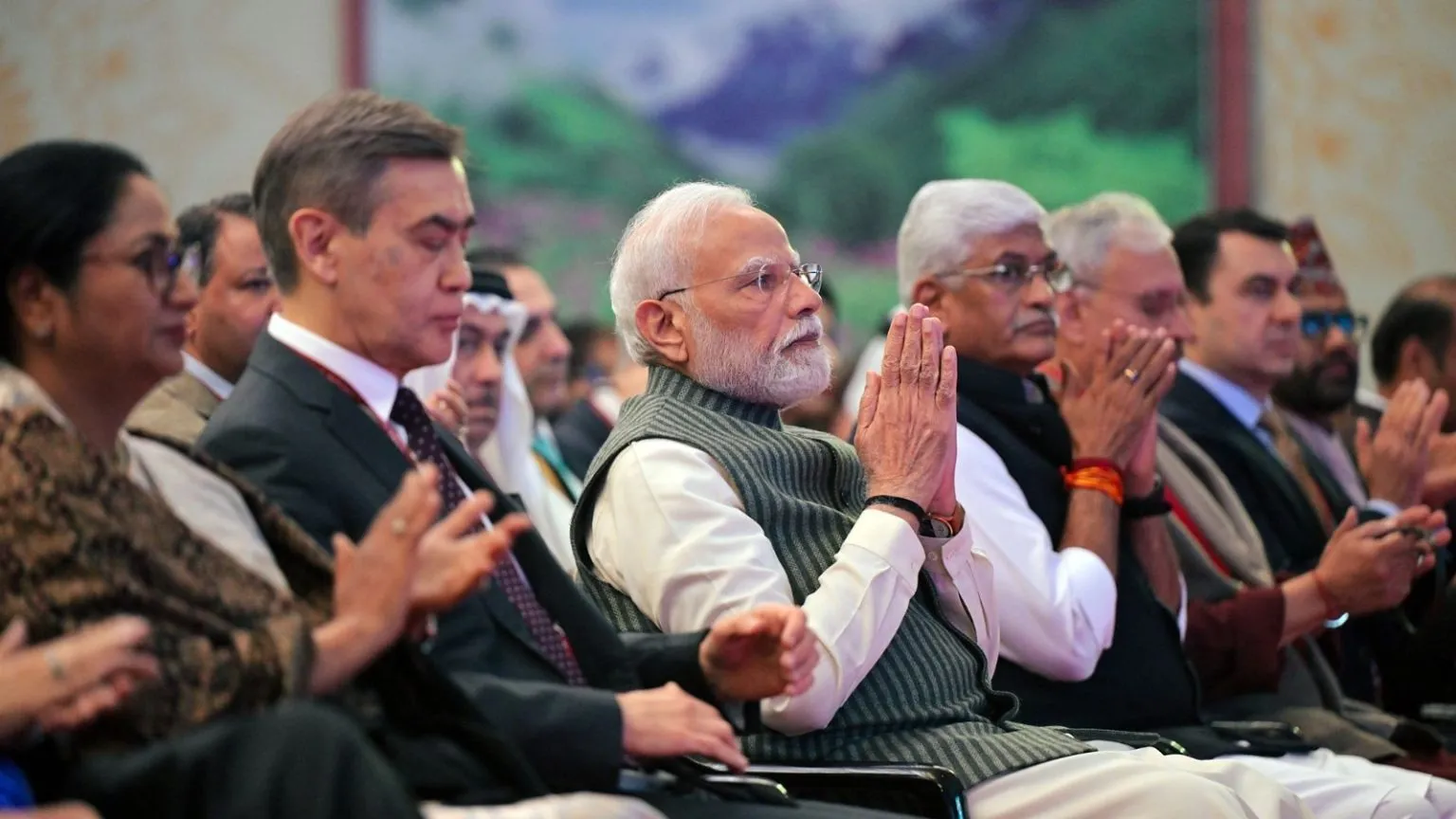
The three-day forum, jointly organised by the Ministry of Culture and the Ministry of External Affairs, Government of India, with the Indira Gandhi National Centre for the Arts (IGNCA) as the knowledge partner, was inaugurated by Prime Minister Narendra Modi on November 20 at the historic Purana Qila.
The event brought together 116 delegates from 22 countries, including four ministers and SCO Secretary General Nurlan Yermekbayev. Deputy ministers, ambassadors, senior government officials, scholars, cultural representatives, subject experts and officials of the SCO Secretariat also participated.
The forum provided a platform for representatives of diverse civilisational traditions across the SCO region to discuss historical connections and explore how shared cultural heritage could contribute to contemporary cooperation.
Inaugural session highlights shared heritage
The inaugural programme on November 20 began with a cultural presentation and the screening of a short film on the forum. Two exhibitions were also organised at Purana Qila.
The exhibition titled “ASTITVA – The Essence of Our Existence” showcased Delhi’s archaeological and cultural heritage, while the “Mahabharat Scroll Pavilion” displayed a rare 18th-century illustrated Mahabharata scroll, highlighting India’s manuscript and artistic traditions.
Addressing the gathering, Prime Minister Modi emphasised the role of civilisational dialogue in promoting peace, mutual understanding and trust among nations.
He highlighted India’s historical cultural connections with Central Asia, China, Southeast Asia and the wider Eurasian region, which developed through trade, scholarship, spiritual journeys and the exchange of ideas and knowledge.
Referring to the cross-cultural transmission of knowledge, the Prime Minister cited the Panchatantra, the Ramayana and the spread of mathematical knowledge, alongside shared influences in music, architecture, spiritual traditions and artistic expression.
He called on SCO member countries to build on these historical links through contemporary initiatives, including the use of digital technologies and artificial intelligence, digitisation of manuscripts and cultural collections, collaborative research, joint exhibitions, academic exchanges and cultural tourism.
He also stressed the importance of greater engagement with young people and highlighted the civilisational principle of Vasudhaiva Kutumbakam (the world is one family) as a foundation for strengthening regional partnerships.
Discussions focus on cultural and architectural exchanges
On November 21, the forum held a thematic session titled “Civilisational and Cultural Expressions”, chaired by the Union Minister of Culture.
Ministers and representatives of participating countries shared perspectives on their cultural traditions, historical experiences and areas of common interest. The discussions emphasised the need to protect tangible and intangible heritage, strengthen institutional partnerships, promote exchanges among scholars and artists, and encourage joint research and documentation.
A separate session organised by the Archaeological Survey of India (ASI), titled “A Shared Cultural Canvas – Artistic and Architectural Exchanges Among SCO Nations”, examined historical interactions that have shaped the region’s artistic and architectural traditions.
The discussions covered prehistoric and Bronze Age connections, Buddhist art and architecture, Silk Route exchanges, Indo-Persian influences and maritime links. Participants also explored collaborative approaches to heritage conservation and digital documentation.
Delegates, accompanied by the Union Minister of Culture, visited the exhibition “The Light and the Lotus: Relics of the Awakened One” at the Qila Rai Pithora Cultural Complex.
The visit provided an opportunity to explore India’s Buddhist heritage and the wider Asian networks through which Buddhist philosophy, art and sacred relic traditions spread.
The day’s programme concluded with a cultural presentation organised by the Sangeet Natak Akademi, followed by dinner.
Final-day deliberations examine language and religious traditions
The concluding day, November 22, featured discussions on two themes: “Language, Literature, Script and Manuscript Traditions” and “Monastic Trails – Religious and Philosophical Traditions”.
The first session examined ways to preserve languages, scripts, manuscripts and literary heritage, while highlighting the transmission of knowledge across generations and geographical boundaries.
The second focused on the historical journeys of religious and philosophical traditions and the connections between religious institutions, centres of learning and communities across the SCO region.
The deliberations enabled participating countries to identify common priorities and explore practical avenues for cooperation in heritage preservation, research, documentation, academic exchanges and cultural partnerships.
Indraprastha Communiqué outlines areas of cooperation
As an outcome of the forum, the Indraprastha Communiqué was prepared to capture the key themes, perspectives and areas of convergence emerging from the three days of discussions.
The document reflects the deliberations and is intended to serve as a reference for sustaining dialogue and advancing cultural cooperation among SCO member countries.
Following the concluding deliberations, delegates are scheduled to visit the historic Red Fort and attend its light-and-sound show, “Jai Hind”, which presents the monument’s history and its significance in India’s national heritage.
The forum reaffirmed the importance of sustained civilisational engagement in fostering mutual understanding and strengthening long-term relationships among SCO member nations. By linking shared historical experiences with contemporary opportunities, the initiative sought to provide fresh momentum to cultural cooperation across the region.
Also Read

Rama
Rama Technologies
Leave Your Comment!
Recent Comments!
No comments found...! Singrauli Mirror AppInstall