

Trending Now
 Railway New Vacancy 2026: रेलवे आइसोलेटेड भर्ती के लिए शॉर्ट नोटिस जारी, 5 नवंबर से आवेदन शुरू हो जा
 हाई कोर्ट में चौकीदार पदों पर निकली भर्ती, 8वीं पास कर सकते हैं अप्लाई; 21 नवंबर तक फॉर्म भर सकते है
 UPSSSC JE Recruitment 2026: यूपी में जूनियर इंजीनियर के 1156 पदों पर आवेदन आज से स्टार्ट है
 Rajasthan VDO Vacancy 2026: बड़ी खबर! राजस्थान में वीडीओ के 4000 पदों पर होगी भर्ती
 Adityanath calls Deepotsav a symbol of social unity
 Kashi Vishwanath temple to remain open on Dhanteras, Diwali
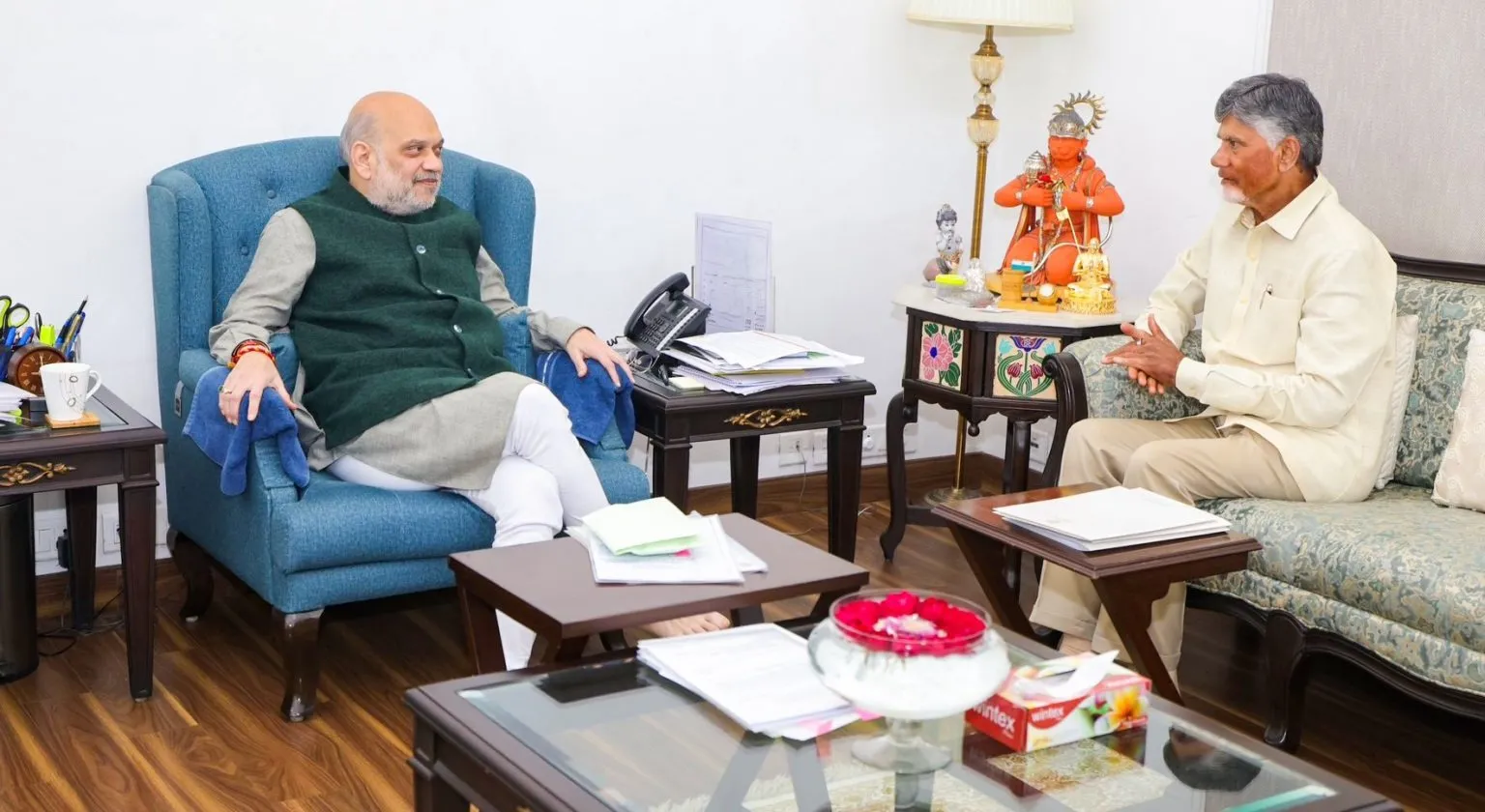 Home Minister Amit Shah speaks to Andhra CM over Cyclone Murasu impact, assures all possible assista
 Piyush Goyal Chairs Roundtable to Strengthen India’s Biopharma Startup Ecosystem
 “Huge honour for India,” says Rijiju as Bhutan dedicates Stupa 76 to PM Modi
 Cyclone Murasu: Heavy rain lashes TN; schools in Cuddalore closed
DONATE NOW

Axis Bank A/c - 920020057946521
Ifsc - UTIB0002017
Government notifies new airfare rules, allows intervention in extraordinary situations
Rama
Posted on: 2026-11-02 11:24:00
Viewer: 101
Comments: 0
Country: India
City: New Delhi
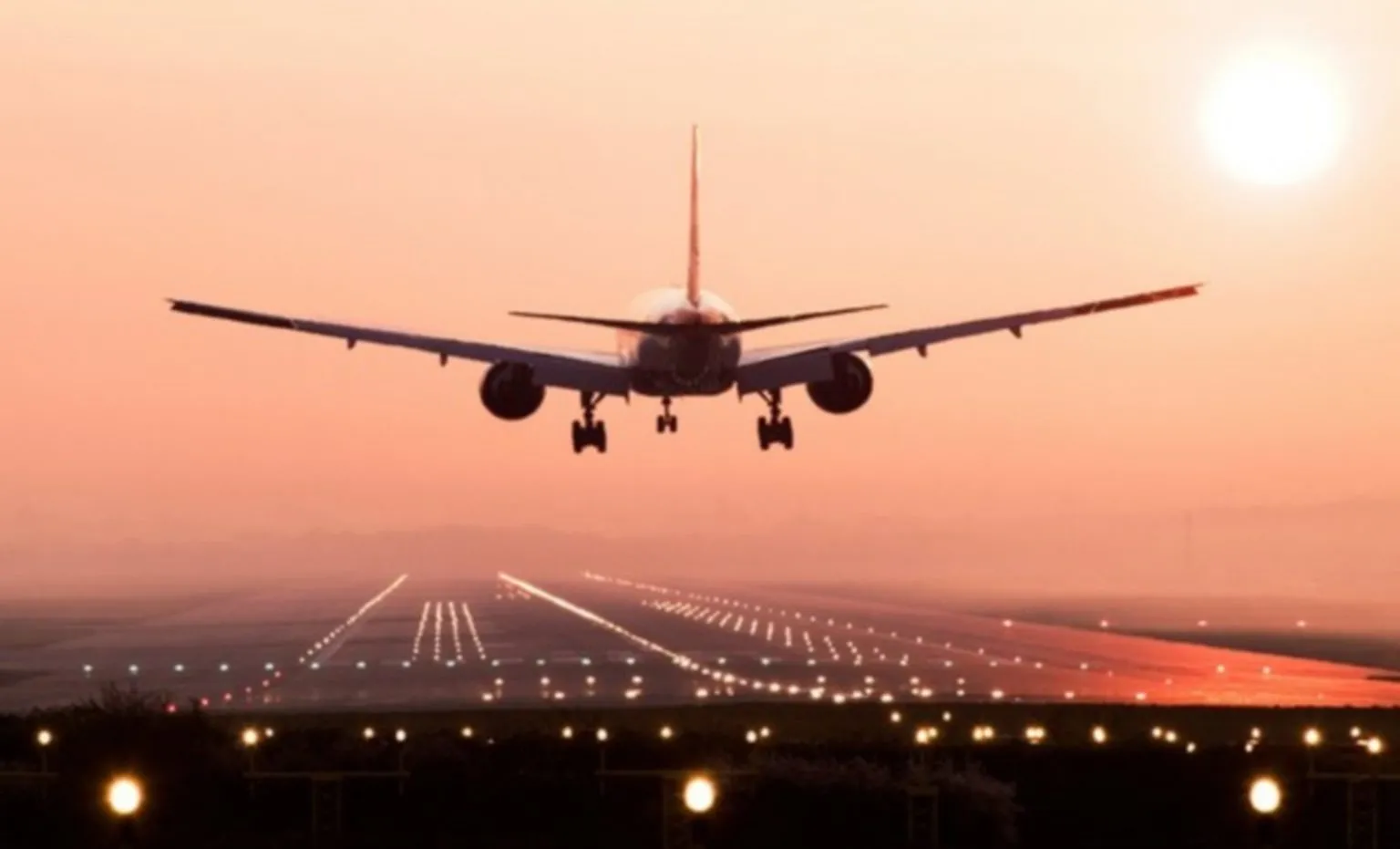 Government notifies new airfare rules, allows intervention in extraordinary situations
The government has notified new rules empowering the Centre to intervene in airline ticket pricing during extraordinary situations in the public interest, amid concerns over rising airfares driven by elevated crude oil and Aviation Turbine Fuel (ATF) prices.
Under the Bharatiya Vayuyan Niyam, 2026, notified by the Union Ministry of Civil Aviation, the government can issue directions to airlines on fares if it considers intervention necessary in extraordinary circumstances. Such directions must be proportionate to the situation and remain effective only for a specified period.
According to Rule 192, airlines operating scheduled air services are required to determine fares based on factors such as operating costs and submit tariff details to the Directorate General of Civil Aviation (DGCA).
The provision allows the Centre to issue written directions if it determines that an extraordinary situation has arisen and intervention is necessary in the public interest.
The new rules also mandate greater transparency in airfare pricing, requiring airlines to publish their fares on official websites and other digital platforms. The DGCA will continue to monitor tariffs set by scheduled airlines.
Airlines must display the total amount payable by passengers during the booking process and on tickets, along with a detailed breakdown of the base fare, taxes, fees and other applicable charges.
They are also required to clearly disclose cancellation charges and refund conditions, enabling passengers to understand the full cost of their bookings.
The rules distinguish between taxes payable to the government and fees collected by airlines for services or facilities provided to passengers.
India deregulated airline fare fixation in 1994, allowing carriers to determine ticket prices based on market conditions. The Civil Aviation Ministry has maintained that airfares are generally influenced by demand, operating costs and booking timelines, with airlines offering different pricing bands.
Under the earlier Aircraft Rules, 1937, Rule 135(4) empowered the DGCA to issue directions in cases involving excessive or predatory pricing and oligopolistic practices in the aviation sector.
While Rule 192 of the newly notified framework retains provisions for monitoring airline tariffs, it does not explicitly identify excessive pricing, predatory pricing or oligopolistic practices as grounds for government intervention.
However, the revised framework grants the Centre powers to issue directions on airline fares during extraordinary circumstances, subject to the conditions and limitations specified under the rules.
Also Read

Rama
Rama Technologies
Leave Your Comment!
Recent Comments!
No comments found...! Singrauli Mirror AppInstall